
Building Programs
Creating learning systems that drive outcomes
The guidance is our practical way to design and build learning programs that actually change behavior and improve results.
It brings structure to a common challenge: learning efforts often start with content, but succeed or fail based on clarity, alignment, and delivery.
Program Design
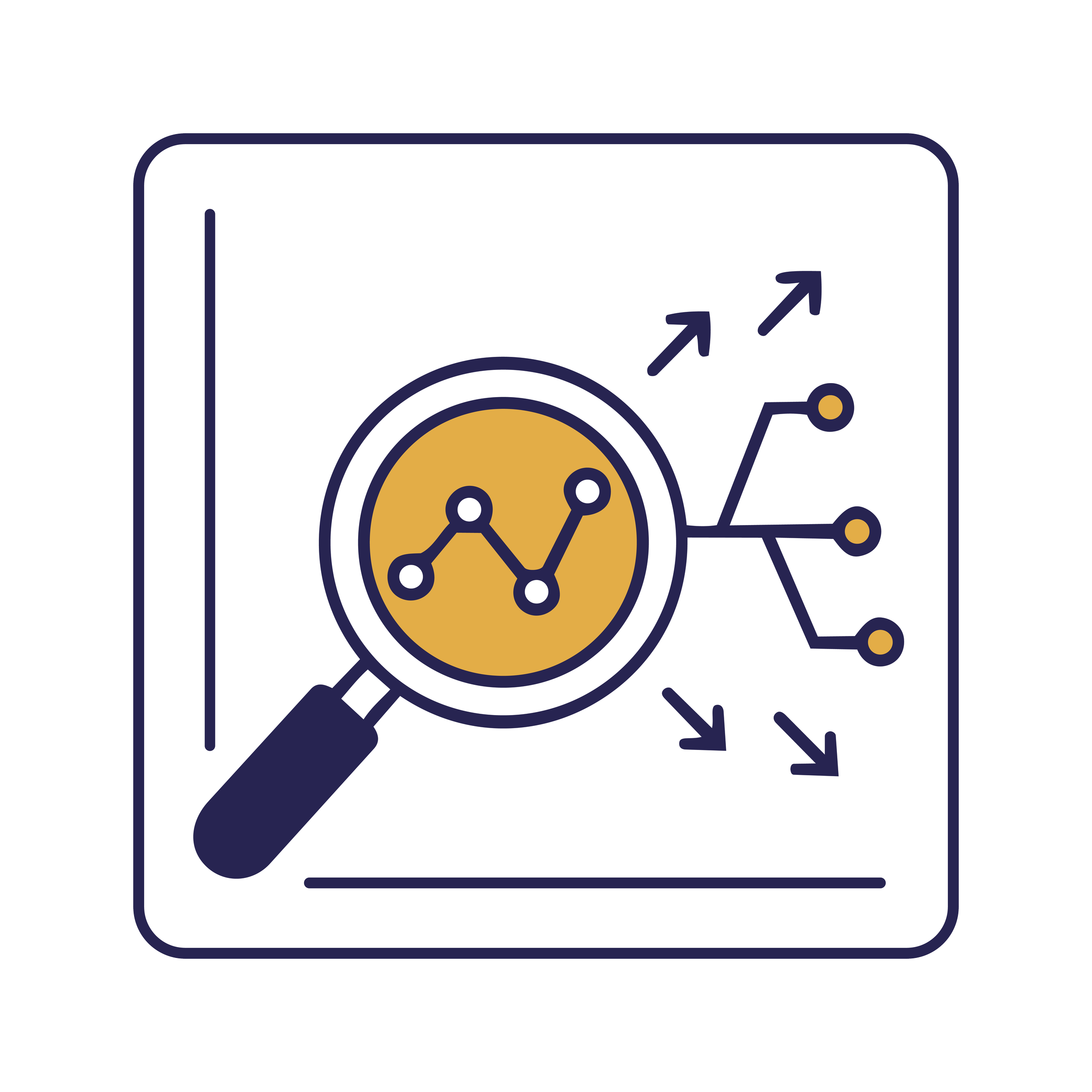
Diagnose patterns
Identify root causes, signals, and learning objectives
Clarify business outcomes
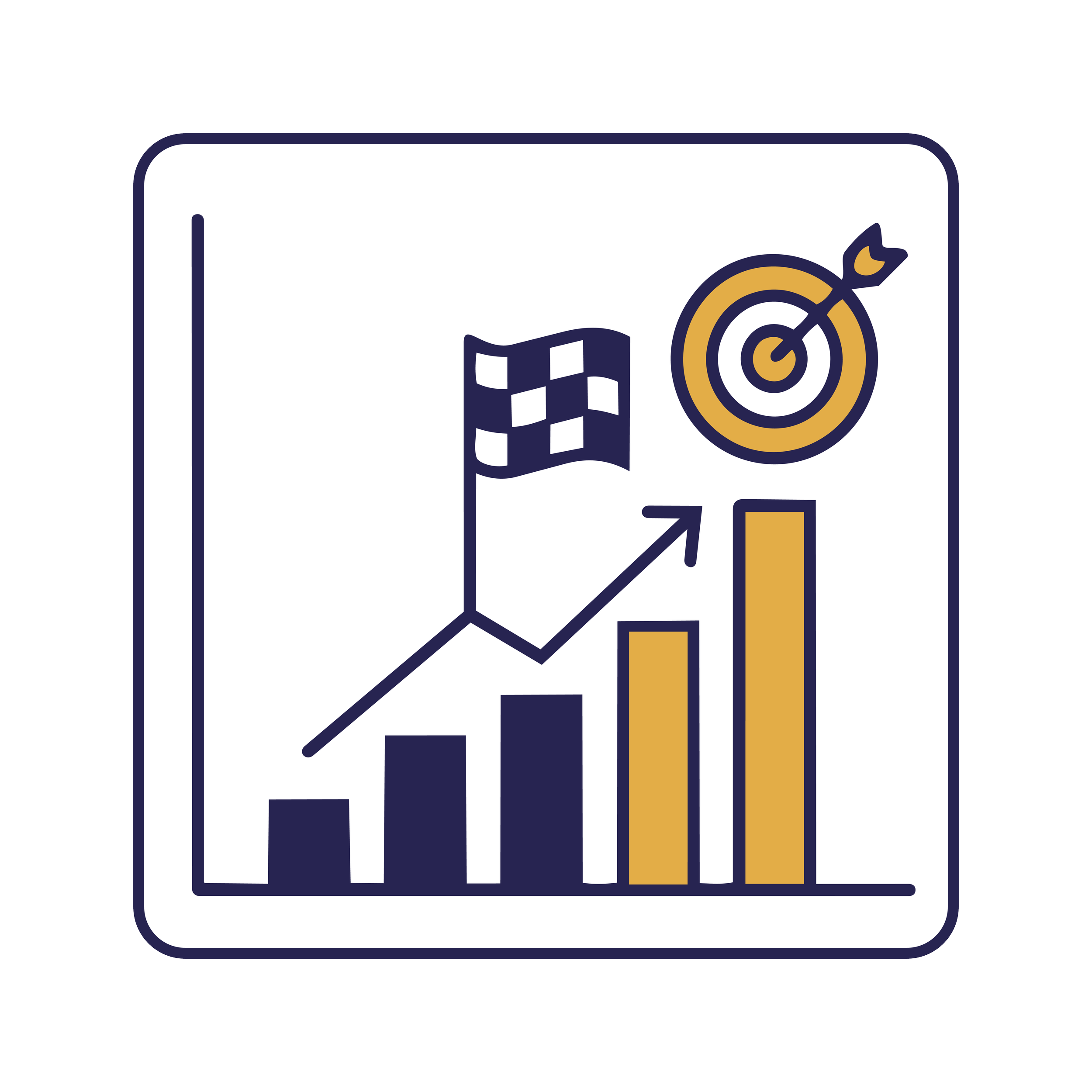
Define success in measurable metrics
Map operational blockers
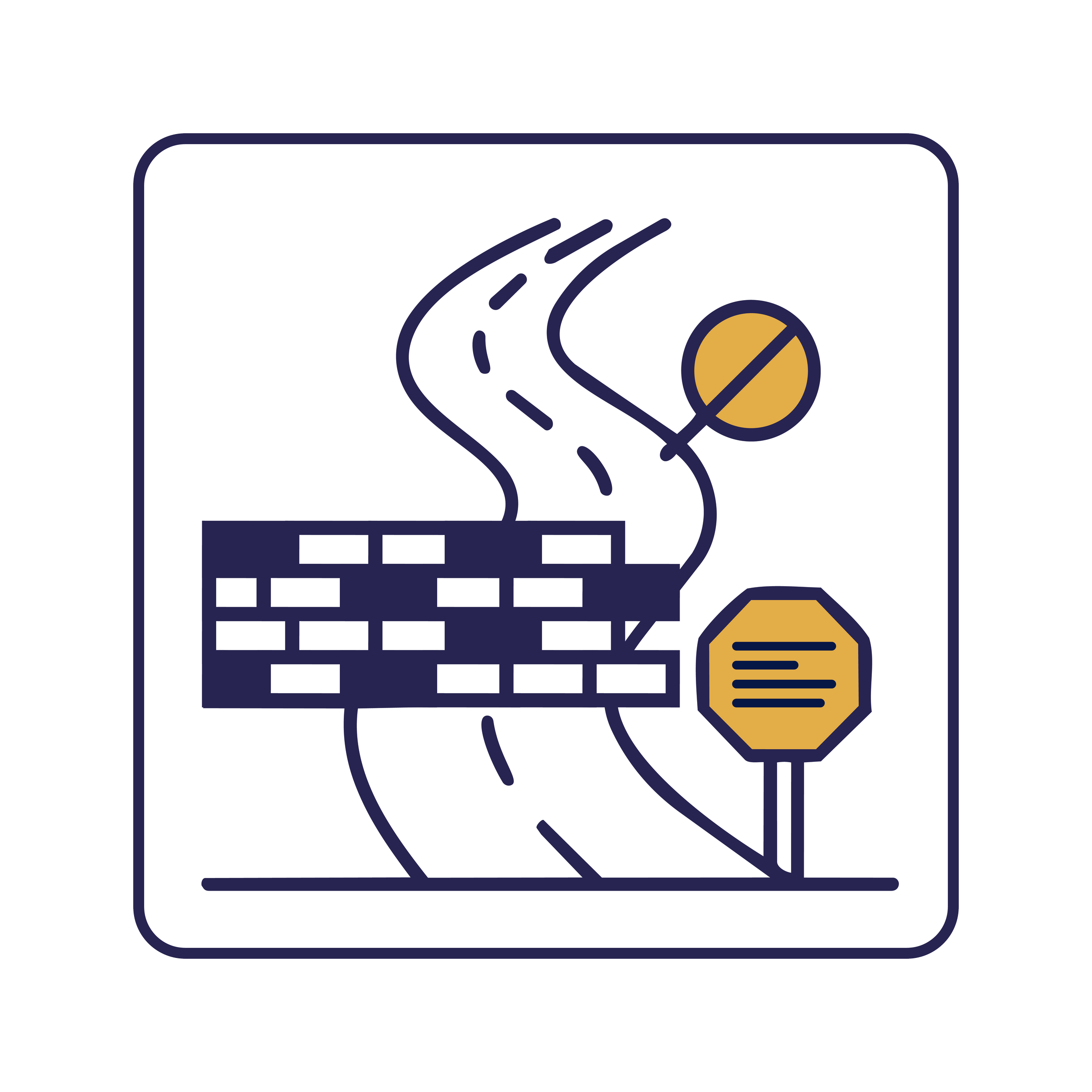
Surface friction in education delivery systems
Design scalable systems
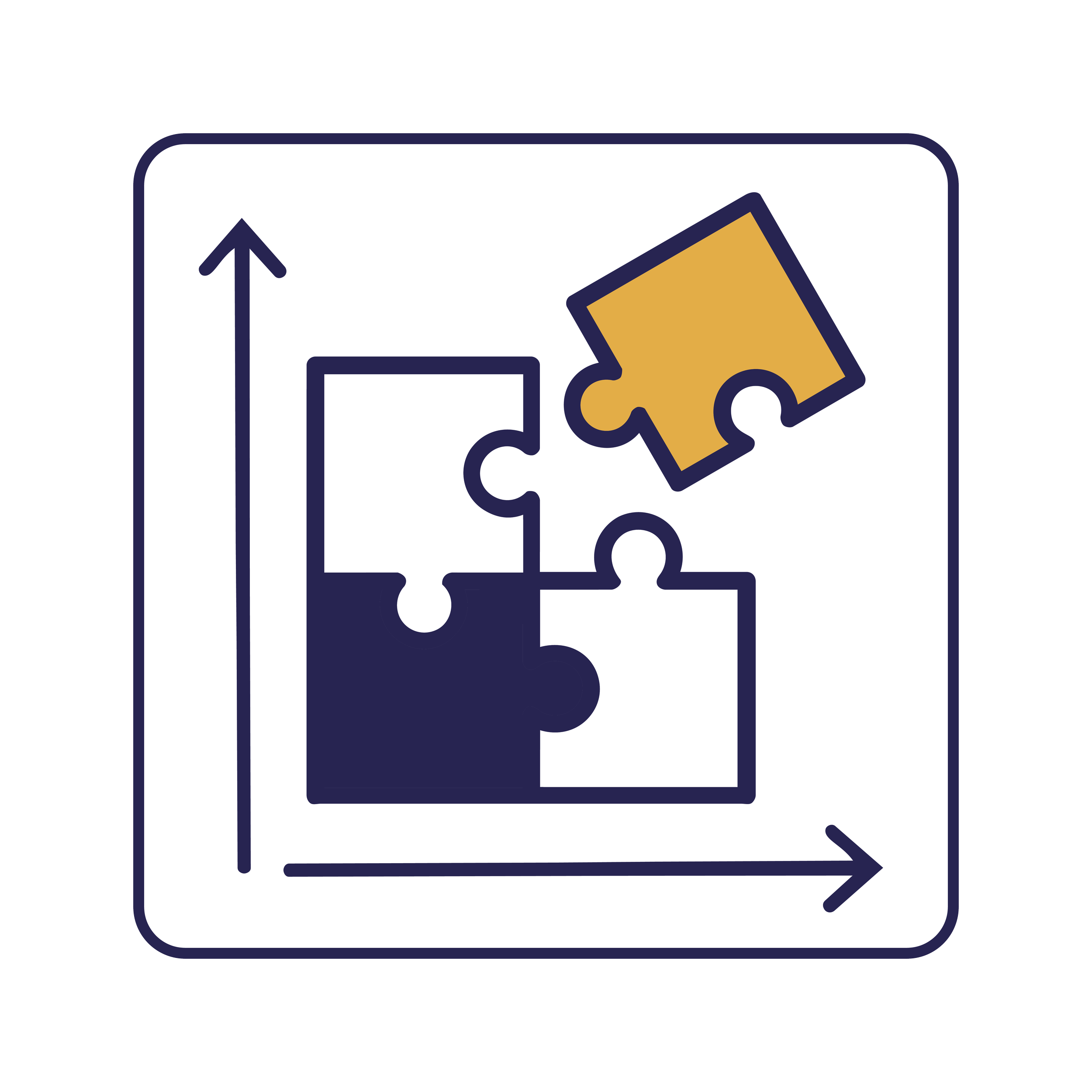
Build repeatable, adaptable training programs
Align stakeholders
Create shared clarity and commitment to learning
Build measurable delivery platforms

Track training impact relative to goals
Enable sustained execution
Plan for iteration and continuous improvement
Themes in Every Step
AI Leverage
AI accelerates learning program design, delivery, and maintenance. At each step, this means:
Using AI to speed up analysis and content creation
Improving visibility into patterns and performance
Supporting better decisions and human judgment
Team Management
Strong learning programs run capable teams with clear direction. At each step, this means:
Equipping people with the right questions and tools
Creating clarity around roles and expectations
Building habits that support consistent execution
Learning Program, Step-By-Step
Choose a step to see what it means, what to look for, what it leads to, and how to drive the work as a team with support from AI.
-
What it means
Look past surface-level problems to understand what is actually breaking down in performance.What to look for
Recurring pain points, inconsistent behaviors, and signals that separate success from failure.What this leads to
Clearer problem definition and more targeted learning objectives.How to execute (team + AI)
Equip your team to investigate before proposing solutions, using structured discovery and shared observations. Use AI to synthesize inputs and highlight patterns faster, while validating findings with real-world context. -
What it means
Define what success looks like in business terms, not just learning activity.What to look for
Target behaviors, leading indicators, and measurable outcomes tied to performance.What this leads to
Stronger alignment, better prioritization, and learning that can be measured and improved.How to execute (team + AI)
Prepare your team to gather both qualitative and quantitative inputs tied to outcomes. Use AI to draft questions, summarize inputs, and suggest KPI frameworks to accelerate clarity. -
What it means
Identify friction in how learning is planned, built, and delivered.What to look for
Gaps in ownership, coordination issues, and breakdowns across tools or processes.What this leads to
More realistic plans and smoother execution.How to execute (team + AI)
Help your team see the full delivery system, not just their piece of the work. Use AI to document workflows, summarize issues, and reduce manual coordination overhead. -
What it means
Build learning programs that can grow, adapt, and be reused.What to look for
Opportunities for standardization, modular content, and repeatable workflows.What this leads to
Consistency, faster expansion, and long-term sustainability.How to execute (team + AI)
Give your team practical templates and clear standards they can reuse. Use AI to accelerate content creation, updates, and scaling without starting from scratch. -
What it means
Create shared understanding and commitment across the people involved.What to look for
Misaligned expectations, hidden decision-makers, and unclear ownership.What this leads to
Faster decisions, fewer surprises, and stronger follow-through.How to execute (team + AI)
Prepare your team to engage stakeholders clearly and consistently. Use AI to summarize context, draft updates, and improve communication readiness. -
What it means
Ensure learning delivery connects to real performance signals.What to look for
Gaps in measurement, unclear baselines, and weak links between learning and outcomes.What this leads to
Better decisions, clearer visibility, and stronger program credibility.How to execute (team + AI)
Train your team to treat measurement as part of delivery. Use AI to generate frameworks, spot patterns, and explain what is changing over time. -
What it means
Design for ongoing improvement, not a one-time launch.What to look for
Feedback loops, ownership clarity, and signals that the program needs adjustment.What this leads to
Long-term adoption and programs that stay relevant.How to execute (team + AI)
Build team habits around review and iteration. Use AI to summarize feedback and flag where updates are needed, supporting continuous improvement.